
Work-Life Balance Is Not Realistic. Work-Rest Rhythm Is.

Creating a sustainable rhythm of work and rest begins by making space for moments of calm and restoration. Photo by Aimee Giles on Unsplash
For a long time, we have been told to strive for “work-life balance.” The idea that we can divide our time between work, relationships, responsibilities, rest, and personal needs, neatly, does sound very appealing. It would give many of us the relief that we are desperately seeking. The thing is, depending on the season, it rarely seems that we are able to contort our lives into tidy balanced categories.
Some seasons require more focus at work. Some seasons require more energy toward family, health, or personal challenges. Some seasons require devotion to rest and recovery.
Perhaps the goal is not balance. What if the goal is to create a sustainable rhythm of work and rest? A rhythm allows for change. It recognizes that our needs shift, that our capacity changes, and that wellbeing requires ongoing attention.
The Problem with Balance
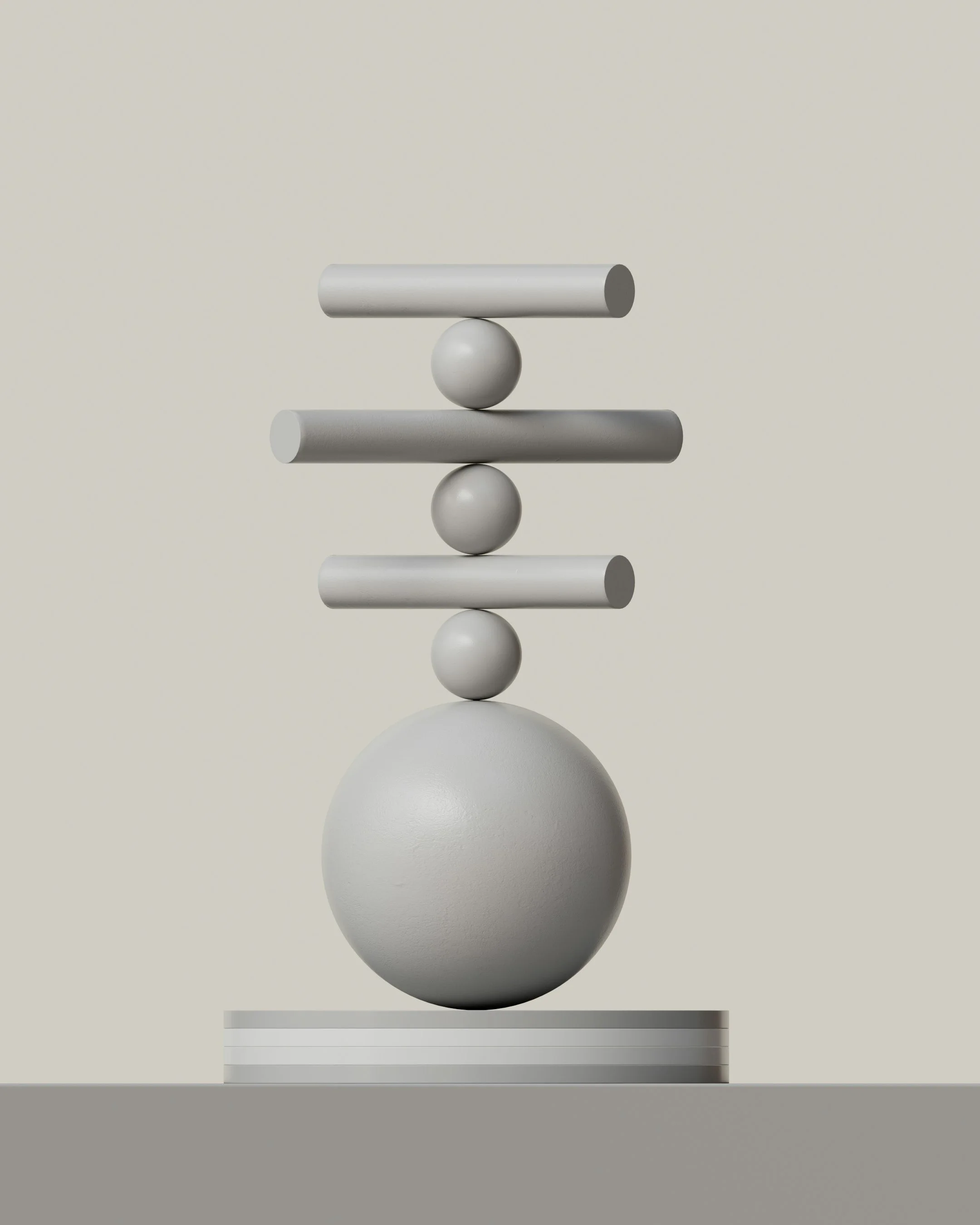
Perfect balance is difficult to sustain. A healthy work–rest rhythm allows us to adapt to changing seasons of life while protecting our wellbeing. Photo by Point Normal on Unsplash.
The pursuit of balance can leave us feeling like we are constantly falling short, needing to play “catch up”. We may begin to believe that we should be doing more, that we should be more productive, that we can rest when we’re finished. The problem is the list never ends. There will always be another task, email, responsibility or expectation.
Measuring our worth by how much we accomplish can lead us to feel like rest is something we must earn. But rest is not a reward for completing our to-do list, nor is it simply "doing nothing." Rest is an essential part of caring for ourselves. It restores our energy, supports our wellbeing, and enables us to continue showing up for the people and responsibilities that matter most.
Your Calendar Reflects Your Priorities
How we spend our resources, including our time, provides deep insight into what matters most to us. Looking at our calendars can reveal to us what receives our attention, what is protected, what is pushed aside and what we make space for.
I invite you to take a look at your calendar and be curious about it. No judgments. Notice what it looks like and consider: Does my schedule reflect what I value?
When adding to your calendar, resist any urges to schedule every moment. Rather than asking yourself “Do I have time for that?”, ask yourself “Do I have capacity for that?” Sometimes the issue is not a lack of time but that our energy is being spent in places that leave little room for restoration.
Boundaries Allow Us to Be How We Want to Be
Boundaries are often misunderstood. They are not about shutting people out or refusing to care for others. Helpful boundaries guide us in understanding what we can realistically give while caring for ourselves.
Boundaries might look like:
Saying no to a commitment when your schedule is already full
Taking a break before you reach exhaustion
Not responding to work-related messages outside business hours
Asking for support instead of doing it all alone
Communicating your needs clearly and assertively
Boundaries protect our time, energy, and relationships. They allow us to show up more authentically and fully rather than from a place of resentment or depletion. Are there some boundaries that would be helpful for protecting your time, energy and relationships right now?
Signs Your Rhythm May Be Out of Sync

In the midst of busy schedules and constant movement, building intentional rhythms of work and rest helps protect our energy and wellbeing. Photo by madeleine craine on Unsplash.
Our bodies and emotions may signal that some adjustments to how we work and rest are needed. Some common signs you may notice are:
Feeling constantly rushed
Difficulty being present because your mind is elsewhere
Irritability or emotional exhaustion
Feeling guilty when you rest
Losing interest in things that used to bring you joy
Treating rest like another task on your checklist
These signs are not failures on your part. They are information and invitations to pause and ask yourself what needs your attention.
Building a Work–Rest Rhythm
Many people wait until they are completely depleted before allowing themselves to rest, or are forced to rest when burnout or illness sets in. But rest is most effective when it becomes part of a regular rhythm rather than a response to exhaustion.
Think about sleep. Sleep is a daily form of rest that restores your body and mind. If you stayed awake for three days and then slept for an entire day, you would not feel as restored as you would by getting enough sleep each night. The same principle applies to the rest of life: regular, intentional rest is more restorative than trying to recover after you've reached your limit.
Building a sustainable work–rest rhythm means creating a pattern of effort and recovery that supports your wellbeing over time. Rather than working until you are empty, aim to alternate periods of work with opportunities to recharge.
The first step is to define what work and rest mean for you.
Work is anything that feels like carrying a load, physically, mentally, or emotionally.
Rest is anything that helps you put that load down and restore your energy.
Rest looks different for everyone. An activity that feels restorative for one person may feel draining for someone else. The goal is to recognize what genuinely replenishes you and intentionally make space for those activities throughout your week.
Create Transitions Between Roles

Photo by Erik Mclean on Unsplash
One way to strengthen your work–rest rhythm is to create clear transitions between different parts of your day. Without intentional boundaries, it’s easy to carry work into your rest time, even after the work has ended.
Simple transition rituals can signal to your brain that you are shifting from one role to another. For example:
Taking a walk after work
Changing into comfortable clothes when you get home
Spending a few quiet minutes before moving into the next part of your day
Listening to music during your commute
Taking a few slow, intentional breaths before entering your home
These rituals don't need to take long. Their purpose is to create a mental boundary that allows you to fully leave one role before stepping into the next.
Identify Your Non-Negotiables

Meaningful connection supports wellbeing. Photo by Nathan Dumlao on Unsplash.
A healthy work–rest rhythm is built around the habits that keep you well. Ask yourself: What needs to be part of my life for me to feel my best?
These are your non-negotiables, the activities that help you maintain your physical, mental, and emotional wellbeing. They might include:
Consistent sleep
Regular movement
Time outdoors
Meaningful connection with others
Creative expression
Quiet time
Time with family and friends
Activities that provide purpose or meaning
Your non-negotiables will likely change as your life changes, and that's okay. The important thing is to check in with yourself regularly and protect the practices that help you stay healthy, well, and resilient.
A sustainable work–rest rhythm isn't about doing less. It's about creating a pattern of work and recovery that allows you to continue showing up for the people and things that matter most to you.
🌿 Wintergreen Counselling Services supports individuals, couples, and families in gaining clarity, building connection, and creating meaningful change.
